If your jacket’s face fabric starts clinging to water instead of beading it, the fastest fix is to wash the shell, spray a fresh DWR while it’s still damp, then tumble dry on low heat—that’s how to reapply DWR spray to jacket without stripping breathability or wasting product. I’ve rescued everything from a grimy commuting shell to a crusty ski jacket this way, and the results usually show up after one cycle. For the bigger picture on lab numbers versus real-world performance, a complete waterproof ratings guide can help.
Table of Content
How to Reapply DWR Spray Properly
Gather the Right Supplies
You need a technical cleaner, a spray-on DWR, and a tumble dryer or iron. Avoid fabric softener and standard detergent because they leave hydrophilic residues that actively fight water repellency. A soft brush helps with collars and cuffs, while a clean towel protects the jacket if you iron instead of dry. Read the care tag first; some laminates and membranes have specific heat limits.

Wash Before You Spray
Dirt, oils, and sunscreen clog the fabric’s surface, so spraying over a dirty jacket wastes product. Wash with a technical cleaner on a gentle cycle, then rinse twice. Don’t use bleach or softener. The goal is a clean, neutral face fabric that can accept the new DWR. If the jacket still smells musty, repeat the wash before moving on.
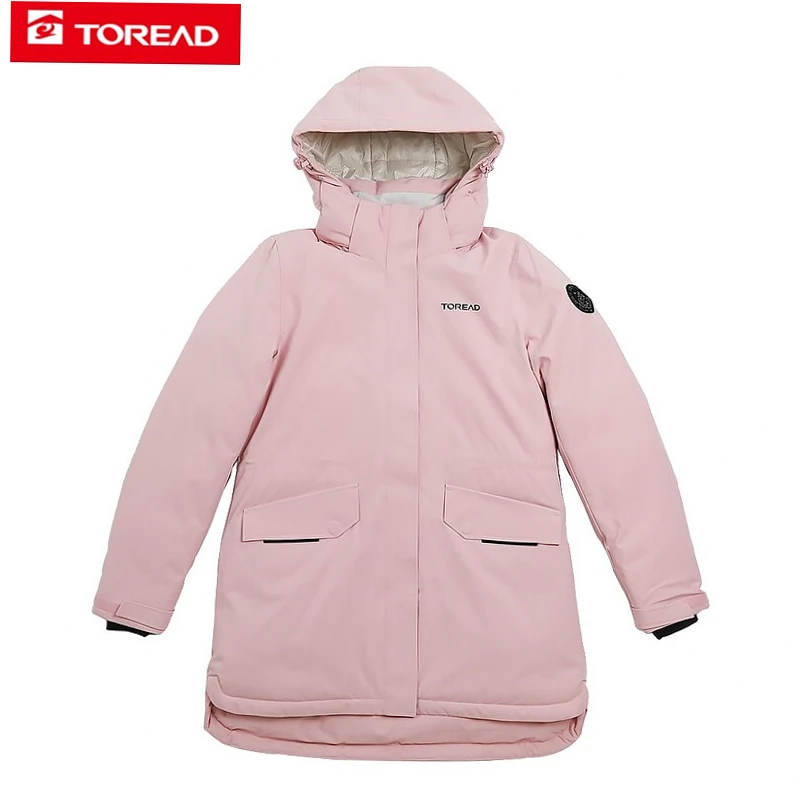
Apply DWR While Damp
Shake the spray can, hang the jacket, and mist from six to eight inches away. Pay extra attention to shoulders, hood, and sleeve cuffs where abrasion is highest. You want an even, slightly darkened sheen, not a soaking wet layer. If you’re unsure, spray less and add a second pass after drying. Wipe away any runs immediately because dried DWR streaks can look permanent.

Heat to Activate
Heat is what binds and reorients the DWR molecules. Tumble dry on low or medium for twenty to thirty minutes, or iron on warm with a towel between the iron and fabric. Don’t rush with high heat; it can damage seam tape and delicate membranes. Let the jacket cool, then test with a few drops of water. Beading means success; dark wet spots mean another light coat.

Which DWR Spray Works Best for You?
Spray-On vs Wash-In DWR
Spray-on DWR gives you precise control and is ideal for jackets with built-in liners or insulation. Wash-in DWR treats the whole garment but can leave a slightly tacky feel and may reduce breathability. For targeted reapplication, spray-on is usually the safer choice. Wash-in formulas make more sense for fleece-lined shells or pants where even coverage matters more than breathability.
| Feature | Spray-On DWR | Wash-In DWR | Best For |
|---|---|---|---|
| Coverage | Targeted, zone-specific | Full garment | Spray-on: shells; wash-in: pants |
| Breathability impact | Low when applied lightly | Moderate to high | High-output activities |
| Ease of use | Moderate, needs drying | Easy, goes in washer | Quick maintenance |
| Cost per treatment | Higher per jacket | Lower for large items | Budget-conscious users |
| Risk of streaks | Moderate if over-sprayed | Low | Dark or delicate fabrics |
| Ideal use | Jacket shells, hoods, shoulders | Fleece-lined shells, pants | Targeted vs full coverage |
PFAS-Free vs Traditional Formulas
PFAS-free DWRs are increasingly common, especially on newer ePE membranes. They can work well but often need more frequent reapplication and may feel less durable in heavy rain. Traditional C6 or C8 formulas still bead aggressively, though environmental and regulatory pressure is pushing them out. Choose based on your jacket’s age, local rules, and how often you actually wear it.
| Factor | PFAS-Free DWR | Traditional DWR |
|---|---|---|
| Water beading | Good but shorter-lived | Stronger and longer-lasting |
| Breathability | Excellent | Good |
| Reapplication frequency | More often | Less often |
| Environmental profile | Better | Worse |
| Compatibility | Best on new membranes | Works on older shells |
| Cost | Similar to higher | Lower to mid |
Brand Choices and Real-World Results
The brand debate is real, and it often comes down to the original factory finish. Some jackets respond beautifully to one spray and poorly to another because the remaining DWR chemistry matters. I’ve had best results matching the spray type to the membrane: use a brand that explicitly supports your jacket’s technology. Don’t expect any spray to fix a jacket that has delaminated or lost its internal waterproof layer.

Why Does DWR Fail and What Are the Risks?
Wetting Out Is Not Leaking
When the face fabric darkens and feels clammy, that’s wetting out, not necessarily a failed membrane. The waterproof layer still blocks rain, but the saturated outer fabric can trap sweat vapor and make you feel damp from the inside. Wash and heat first; only if beading doesn’t return should you reapply DWR. This distinction saves a lot of jackets from premature replacement.

Heat Activation Mistakes
Too much heat is the most common self-inflicted wound. High dryer settings can shrink fabrics, curl seam tape, and damage glue lines. Always follow the care tag, and when in doubt, use low heat for longer. If you iron, keep the iron moving and use a protective cloth. A patient low-heat cycle beats a quick scorching every time.
When Jacket Layers Are Damaged
DWR spray cannot repair delamination, cracks, or worn-out internal coatings. If water passes through the fabric even after a fresh treatment, the issue is structural. Test by pouring water on a sleeve and watching for leaks at seams or thin spots. In that case, professional repair or replacement is the honest answer, not another can of spray.
| Risk | Why It Happens | Fix |
|---|---|---|
| Streaks | Too much spray or runs | Wipe immediately and re-dry |
| Reduced breathability | Over-application or wash-in on high-output shell | Use spray-on lightly |
| Damaged seam tape | High heat | Follow low heat and care tag |
| No beading | Dirty fabric or dead DWR | Wash with tech cleaner and reapply |
| Leaking | Delaminated membrane | Repair or replace |
Best Scenarios for Reapplying DWR Spray?
Daily Commuters and Urban Rain
For city jackets, reapply DWR once or twice a season if you wear them in steady rain. A light spray on shoulders and hood keeps you dry on bike commutes and walks to the train. Urban grime and backpack straps wear DWR quickly, so clean those contact points. Store the jacket clean and dry, never crumpled in a damp gym bag.
Hiking and Backpacking Shells
Backpack straps and hip belts rub DWR off fast. Before a big trip, wash the shell, spray the shoulders and lower back, then activate with heat. Bring a small spray for multi-day trips if rain is forecast, but don’t over-treat in the field. A damp cloth and a light re-spray can extend beading until you get home.
Ski and Snowboard Jackets
Ski shells face wet snow, chairlift grime, and constant abrasion. Reapply DWR at the start of every season and again after a wet spring trip. Focus on shoulders, forearms, and the hem. If the jacket has a powder skirt or insulation, spray-on DWR is safer than wash-in because it avoids saturating the liner.
| Step | Official Recommendation | Real-World Feedback |
|---|---|---|
| Wash first | Wash with technical cleaner per care tag | Many users skip washing and get poor beading; cleaning oils matters more than brand |
| Heat activation | Tumble dry warm for 20 minutes or iron with cloth | Some dryers run hot; low heat longer is safer, and a quick 20-minute cycle often revives factory DWR |
| Spray timing | Apply DWR to damp jacket, then heat | Some spray while wet, some wait until damp; too wet can dilute DWR and cause runs. Pat or hang briefly first |
| Brand choice | Use manufacturer-approved DWR | Nikwax is popular but not universally best for Gore-Tex; some jackets respond better to the original brand |
| Effectiveness | Restores beading and breathability | It won’t fix delamination; if internal layers are worn, no spray will make it waterproof again |
| Coverage | Even mist, extra on high-wear zones | Heavy single coat can streak; two light passes work better and last longer |
How Long Does Reapplied DWR Last?
Cleaning and Storage Habits
A clean jacket holds DWR longer. Oils from skin, sunscreen, and food break down the finish, so wash after heavy sweaty use. Store on a hanger in a dry closet, not compressed in a stuff sack. Avoid hot car trunks. If you wear a backpack daily, expect faster wear on the shoulders and plan a mid-season touch-up.
Reapplication Frequency
Most recreational jackets need DWR spray once or twice a year. High-use shells might need it every few months, especially if you hike or ski weekly. The water-beading test is your best guide: if droplets stop forming after a wash and heat cycle, it’s time to spray. Don’t calendar it blindly; use real wear.
When to Replace the Jacket
If the membrane leaks, seam tape fails, or the fabric delaminates, replacement is smarter than endless DWR treatments. DWR is a surface finish, not a structural repair. A jacket that wets out but keeps you dry inside is still usable; a jacket that leaks at the seams is not. Know the difference before you spend.
Putting Your DWR Refresh Into Practice
Start with a wash, then a light spray while damp, then low heat. That sequence handles most wetting-out complaints. Keep a small bottle for travel and touch up high-wear zones before a big storm. If the jacket still fails, check the membrane and seams, not just the surface. A little patience here beats buying a new shell every season.
Frequently Asked Questions About DWR Spray
Can I reapply DWR spray without washing the jacket first?
You can, but it usually underperforms. Dirt and oils block the DWR from bonding, so the spray sits on top and washes away quickly. If you’re in a hurry, at least wipe down the surface with a damp cloth. For reliable results, a technical wash first is worth the extra twenty minutes.
Should I spray DWR on a wet or dry jacket?
Most spray-on DWRs work best on a damp jacket, not soaking wet. If the jacket is dripping, hang it for a few minutes or pat it with a towel. Too much water dilutes the product and causes runs. You want the fabric evenly damp so the spray spreads without pooling.
How do I know if my jacket needs DWR or a new membrane?
If water beads poorly but the inside stays dry, you need DWR. If water leaks through seams or thin spots, the membrane or seam tape is likely failing. A wash-and-heat cycle can restore factory DWR temporarily. If that fails and leaks continue, repair or replace the jacket.
Will reapplying DWR spray ruin breathability?
Light, even spray-on DWR generally preserves breathability. Wash-in formulas and heavy over-application can clog the face fabric and reduce vapor transfer. Use two thin passes instead of one soaking coat, and always activate with heat so the finish cures evenly.
How much does it cost to reapply DWR spray?
A bottle of spray DWR usually costs less than a professional cleaning service and treats several jackets. The main cost is your time: washing, spraying, and drying takes a couple of hours. Compared with replacing a high-end shell, it’s one of the cheapest gear maintenance tasks you can do.
Is Nikwax always the best DWR for Gore-Tex?
Not always. Some Gore-Tex jackets respond better to the manufacturer’s recommended DWR, while others work fine with Nikwax. The key is to match the treatment to the membrane and the remaining factory finish. If one spray beads poorly after two tries, switch to a different formulation.
Can I use DWR spray on insulated ski jackets?
Yes, but spray-on is safer than wash-in for insulated jackets. Wash-in DWR can saturate the liner and reduce loft or breathability. Hang the jacket, mist the shell evenly, and pay extra attention to shoulders and cuffs. Then tumble dry low if the care tag allows.
Leave a Reply