Windproof vs Waterproof Winter Coats: An Honest Field Comparison
Nine winters in Ottawa taught me that wind, not rain, is what makes an evening walk miserable, so when friends ask about windproof vs waterproof winter coats I give them one blunt answer: buy for wind first, water second, and pay for both only if you actually play in snow. A plain-English breakdown of waterproof ratings explained 10k vs 20k stays bookmarked on my phone through shopping season, because the hangtag number hides more than it reveals.
Table of Content
- What Actually Keeps Winter Wind Out?
- Which Winter Coat Wins for Your Winter?
- Why Do Waterproof Coats Sometimes Feel Colder?
- What Mistakes Cost You Money and Warmth?
- How Do You Choose Without Regret?
- Before You Spend Money This Winter
- Winter Coat Questions I Get Every Year
- Standards and Sources I Rely On
What Actually Keeps Winter Wind Out?
Windproof and Waterproof Defined Simply
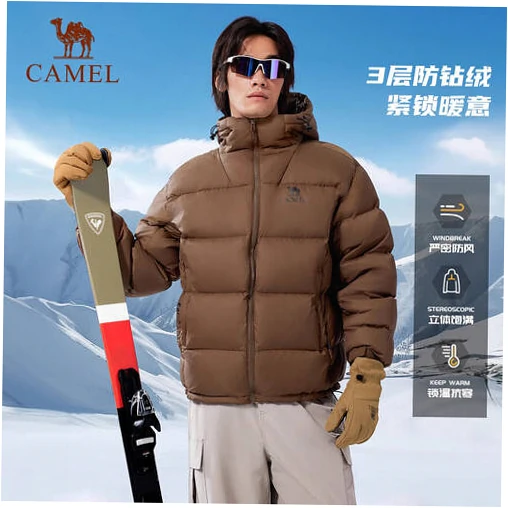
Two different jobs, one hangtag: a windproof fabric stops moving air from stripping the warm boundary layer next to your skin, while a waterproof fabric stops liquid water from pushing through under pressure. A membrane laminate, whether ePTFE or polyurethane, does both because its pores are far too small for wind. A tightly woven softshell blocks wind and still soaks through in a two-hour sleet storm.
That asymmetry decides most purchases: nearly every competent waterproof shell is also windproof, but a windproof jacket is rarely waterproof. Brands seldom lead with that detail, because windproof sounds weak next to a huge millimeter claim. In practice, a laminated shell with taped seams gives you both protections in one layer, while a windproof-only shell quietly asks you to add a rain layer later.
Why Insulation Decides Comfort More Than Shell
Shell fabric manages wind and water, but loft manages warmth: the trapped air inside down or synthetic fill is what actually holds heat against your body. Once that fill gets damp, its insulating value collapses, which is why I lean on the best insulation for wet cold weather rather than a thicker outer shell. Wet cold punishes down faster than it punishes a decent synthetic.
Layering logic follows from that. A windproof shell over a midweight fleece handles a dry, gusty minus-ten commute better than a bulky waterproof parka, because you can vent heat instead of marinating in it. Add a waterproof outer only when precipitation is falling, when snow is deep and wet, or when you expect to stand still for a long time.
Air Permeability Numbers Worth Knowing
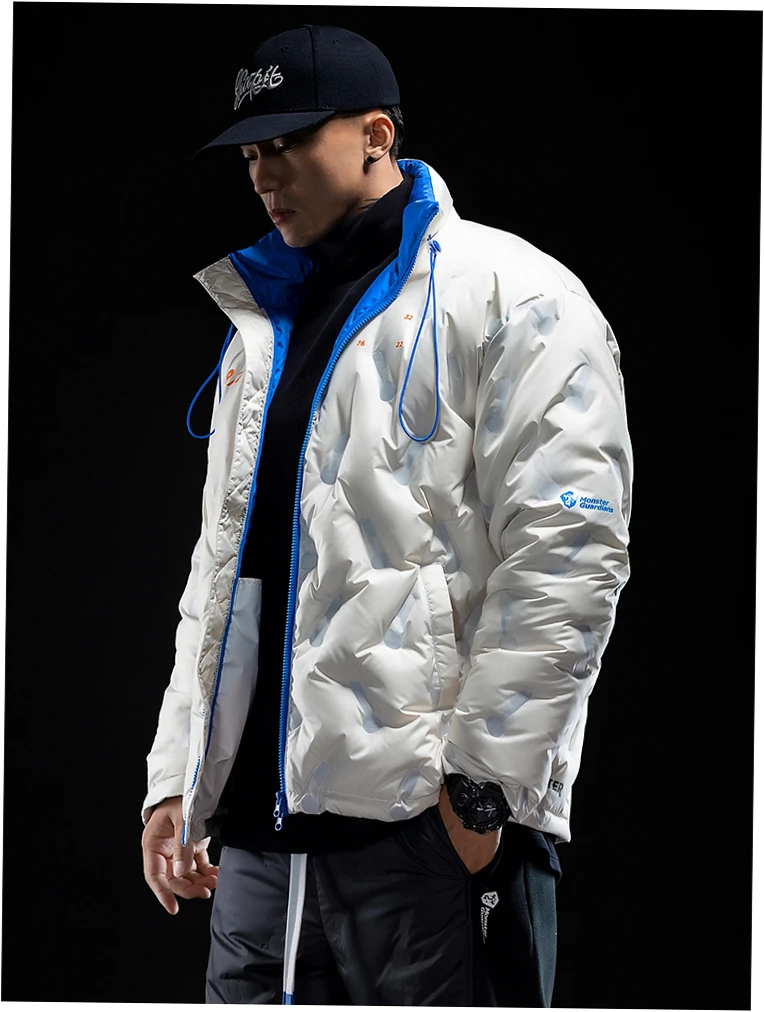
Wind resistance is measured, not marketed: ASTM D737 and ISO 9237 count how much air passes through a square foot of fabric per minute. Most membrane laminates land under 1 CFM, while untreated wovens can exceed 50 CFM. Breathability is a separate figure, usually moisture vapor transmission in grams per square meter per day. I check both, because a shell that blocks wind but traps sweat feels cold within twenty minutes.
Which Winter Coat Wins for Your Winter?
Comparing Windproof and Waterproof Shells
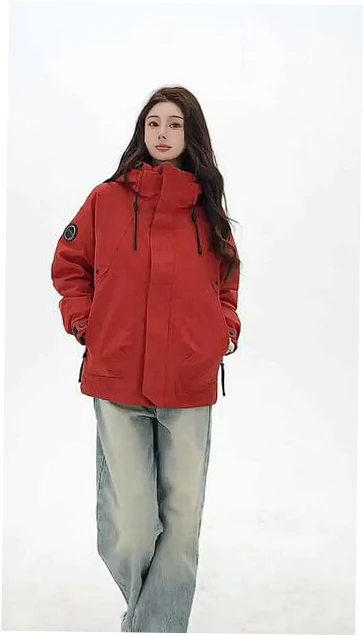
I stopped arguing about which construction is better years ago, because the answer flips with your routine. What follows is how I rank the two after logging commutes, trail walks, and far too many wet-snow storms. Treat it as a starting point, then adjust for how active you are and how long you stay outside.
| Factor | Windproof shell | Waterproof shell |
|---|---|---|
| Wind resistance | High by design, often under 5 CFM | High, because the membrane blocks air |
| Rain and wet snow | Light precipitation only unless treated | Reliable when seams are taped |
| Breathability | Usually better, especially woven softshells | Varies widely by membrane and lining |
| Weight and packability | Lighter and more flexible in cold | Heavier, stiffer, often crinkles |
| Best use | Dry, gusty commutes and city winters | Snow sports, wet snow, long exposure |
| Typical cost | Moderate | Higher, driven by lamination and taping |
When Waterproof Winter Coats Are Worth It
Spend the extra money when water pressure is real: skiing through wet snow, snowshoeing, or standing on a slushy platform for forty minutes. A laminated shell with fully taped seams keeps meltwater out while still cutting wind, and the premium usually buys a tougher face fabric too. If your winter is mostly dry and cold, that same premium is hard to justify.
When Windproof Coats Make More Sense
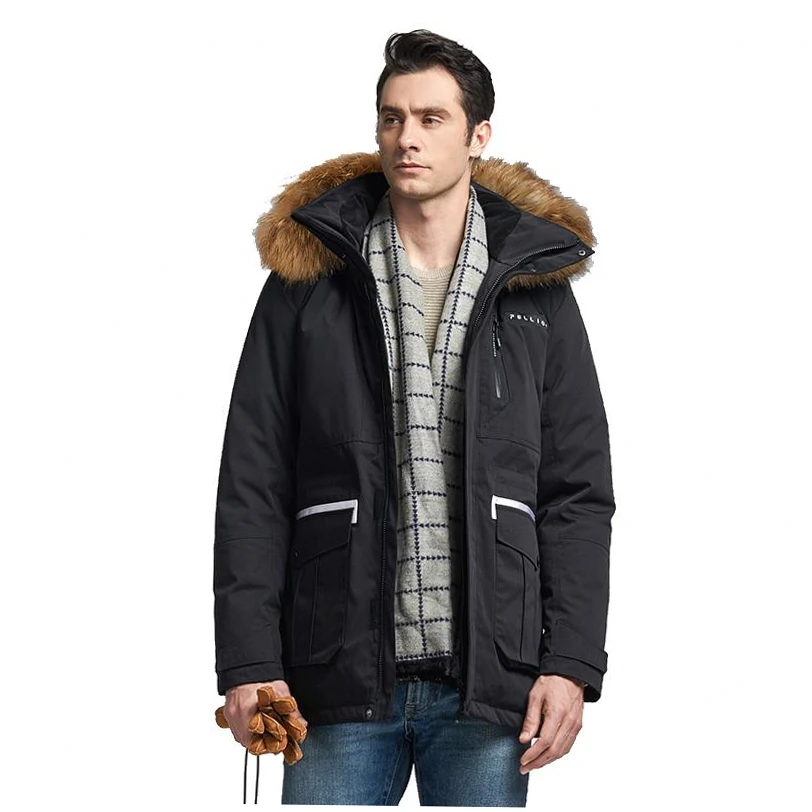
In city winters, windproof wins more often than people expect. A boiled-wool coat or a tightly woven softshell breathes on a crowded bus, weighs less, and shrugs off light flurries without the crinkle and stiffness of a membrane. Cold, dry, gusty weather is the sweet spot, because your sweat escapes instead of condensing inside the jacket.
Where Labels and Wearers Disagree
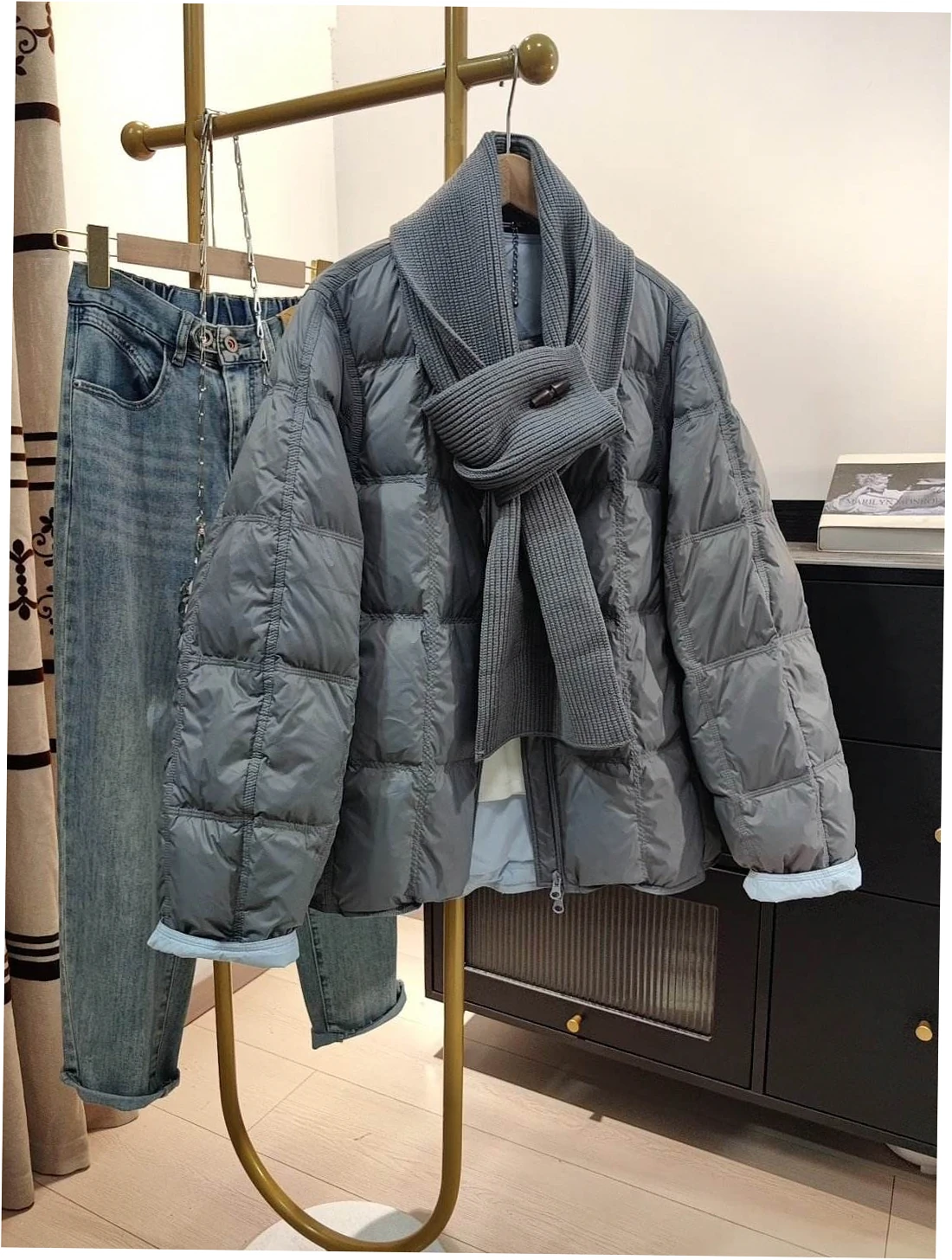
Patterns in community discussions and my own inbox keep repeating: people who rarely touch snow say a windproof wool coat beats a heavier waterproof jacket for daily wear, while skiers say the membrane is non-negotiable. Both are correct for their own weather. One number on a hangtag cannot answer the question for you.
| Claim | Spec sheet promise | Real-world experience |
|---|---|---|
| Heavy snow protection | High hydrostatic head keeps water out | Outer fabric stays dry while trapped sweat dampens the inside |
| Waterproof equals windproof | Membrane blocks air movement | True for laminates, yet loose cuffs and untaped seams still leak wind |
| Warmer when rated higher | A better rating means more protection | Warmth tracks insulation, not the waterproof number |
| Lasts for years | Coating durability tested in a lab | DWR fades with abrasion and needs periodic re-proofing |
| Best choice for all winter | Waterproof recommended for winter | Frequent walkers in dry, windy cities prefer windproof wool |
Why Do Waterproof Coats Sometimes Feel Colder?
Sweat, Condensation and Cold Spots
A waterproof shell that cannot move moisture turns your own sweat into a cold film against your back. That is the most common winter complaint I hear, and it is a breathability problem rather than a waterproofing failure. Opening pit vents or moving to a more breathable laminate fixes it faster than buying a heavier coat ever will.
When 10k Ratings Start to Struggle
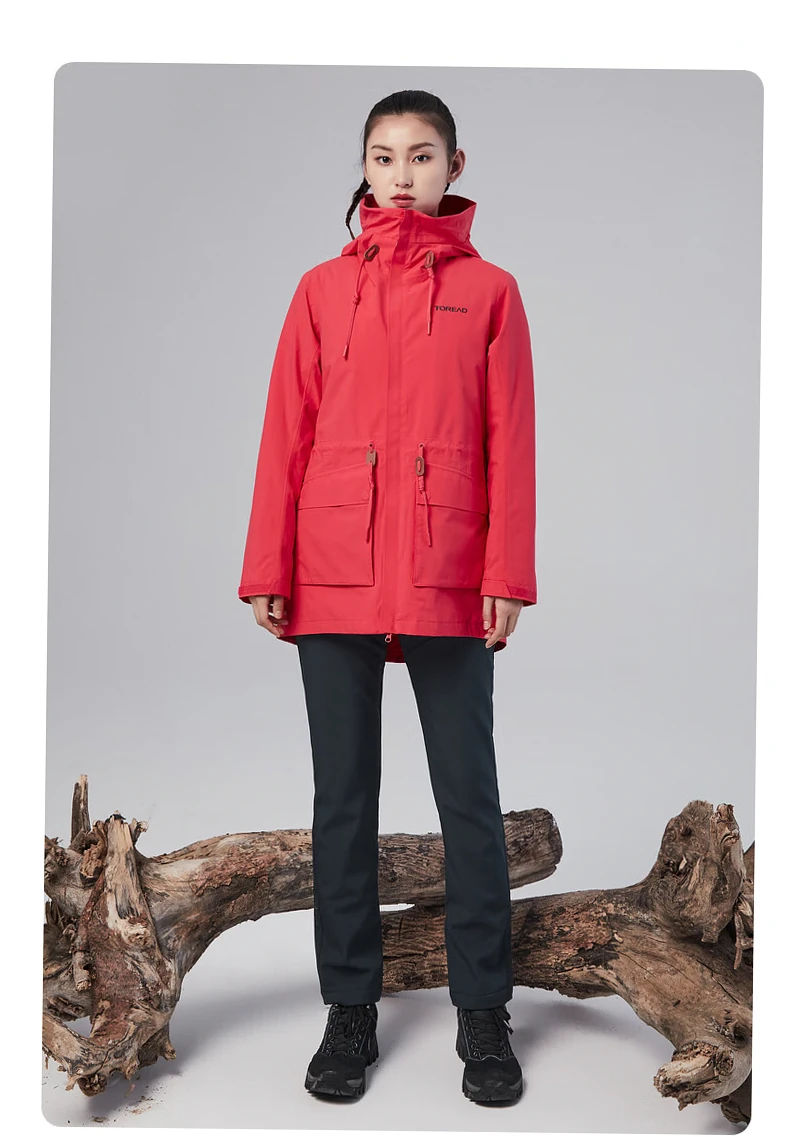
Mid-tier shells often sit near a 10,000mm hydrostatic head, which is fine for steady snow and marginal for wet snow sitting on your shoulders for hours. My field notes on 10k waterproofing in heavy snow show where that ceiling appears in practice. Above 20,000mm you are buying margin for driving rain and long exposure, not everyday comfort.
Seams, Zippers and Wetting Out
Water usually enters through stitching rather than fabric: an untaped shoulder seam, a two-way zipper without a storm flap, or a face fabric that has wetted out and stopped beading. Re-proofing a tired DWR with a wash-in or spray-on treatment restores most of the performance for a fraction of the cost of a new jacket. Check seams first when a coat surprises you.
What Mistakes Cost You Money and Warmth?
Mistakes I See Every Winter
Buying a 20k shell for a dry, windy city is the expensive mistake I see most often. Second is trusting a waterproof rating for warmth. Third is ignoring fit: a coat that gaps at the hem or cuffs lets wind pour in regardless of the fabric. A slightly snug softshell often feels warmer than an oversized waterproof parka.
| Risk or mistake | What it costs you | Practical fix |
|---|---|---|
| Overbuying waterproofing | Money spent on protection you rarely use | Match the rating to your wettest regular outing |
| Ignoring breathability | Cold, clammy back within an hour | Choose vents and a lighter midlayer |
| Assuming a rating equals warmth | Underdressed in genuinely cold weather | Budget for fill and layering separately |
| Skipping seam and zipper checks | Leaks at the shoulders and chest | Confirm taped seams and storm flaps before buying |
| Neglecting DWR care | Fabric wets out and feels heavy | Wash and re-proof once beading stops |
| Buying for looks alone | Poor fit that lets wind through | Test fit with the layers you wear most |
Membrane Limits and Durability Truths
Membranes are not indestructible. Abrasion from pack straps, repeated high-heat drying, and harsh detergents degrade laminates and coatings long before the fabric tears. A three-layer laminate with a durable face fabric survives years of ski poles and bus seats, while a lightweight two-layer shell may start weeping at stressed seams after two hard seasons. Lab ratings also assume new fabric, so field performance drifts over time.
How Do You Choose Without Regret?
A Layer-by-Layer Decision Path
Work backwards from the weather you actually get. Ask three questions: is wind or precipitation the dominant threat, will you be active enough to sweat, and how long will you stay outside? Windy and dry points to a windproof shell plus a good midlayer. Wet snow and long exposure points to a fully taped waterproof laminate. Everything else is marketing noise.
Care, Repair and Buying Responsibly
Longevity is the most sustainable option available: repairing a zipper or reapplying a PFC-free DWR keeps a functional shell out of landfill and saves real money. I look for bluesign-approved fabrics, recycled face textiles, and brands that publish repair programs. Wash your shell when the surface stops beading, then re-proof it; plenty of failed waterproof coats simply needed maintenance.
Before You Spend Money This Winter
Decide your primary threat first, then buy one coat that handles it well instead of two compromises that handle neither. In a windy, dry city, a windproof wool coat or softshell will feel warmer than a waterproof parka. If you ski or snowshoe, pay for a laminated, taped shell and put the rest of your budget into a breathable midlayer.
Try the fit with the layers you actually wear, confirm the seams are taped and the hood moves with your head, and check the return policy before ordering online. Keep the care label. A well-maintained coat lasts five to ten seasons, and knowing the numbers behind the claims matters more than the logo on the sleeve.
Winter Coat Questions I Get Every Year
Is a waterproof winter coat automatically windproof?
Almost always, yes. A continuous membrane or coating has pores too small for air movement, so wind cannot pass through the fabric itself. Where wind still gets in is at the closures: untaped seams, unsealed zippers, loose cuffs, and a hem that lifts. Fit and construction decide whether the windproof claim holds up on a real commute.
Do I need a 20k waterproof rating for a normal city winter?
No. For commuting, shoveling, and walking the dog, a 10k shell with taped seams handles most snow and rain. Higher ratings buy margin for sustained wet snow, driving rain, and long stationary exposure. If you ski, snowshoe, or work outside, that margin is worth paying for; for a twenty-minute walk, it is not.
Why does my waterproof jacket feel cold and clammy inside?
Because your sweat is not escaping. Waterproofing and breathability are separate properties, and a low-breathability coating traps moisture against your base layer, which then chills you. Vents, a lighter midlayer, and a more breathable laminate usually solve it. Adding insulation to a clammy shell makes the problem worse, not better.
Can I turn a windproof coat into a waterproof one?
Only partly. A durable water repellent finish sheds light rain and wet snow, but it cannot create a waterproof barrier, and it wears off with abrasion and dirt. The practical fix is a packable rain shell layered over your windproof coat on wet days. That combination costs less than replacing a good windproof jacket.
Does waterproofing wear out, and can it be restored?
The membrane or coating itself rarely fails from normal use; the surface DWR does. When water stops beading and the fabric darkens, wash the garment with a technical cleaner and apply a wash-in or spray-on treatment, then tumble dry low if the care label allows. That restores most performance. Physical damage to the laminate, however, cannot be re-proofed.
Which insulation works best under a windproof shell?
For wet cold, synthetic fill and fleece hold up better than down because they retain some warmth when damp and dry faster. Down still wins on warmth-to-weight in dry, deep cold. I usually run a fleece or light synthetic puffy under a windproof shell and save the down for clear, still days well below freezing.
Is waterproof gear worth the cost for occasional snow?
Usually not. If you see snow a handful of times a year and spend most of your winter indoors or in a car, a windproof coat with a water-repellent finish covers nearly every day. Put the savings into a better midlayer, gloves, and boots, which affect comfort more than the shell rating does.
Standards and Sources I Rely On
My comparisons lean on published test methods rather than brand copy: ISO 811 and AATCC 127 for hydrostatic head, ISO 9237 and ASTM D737 for air permeability, and EN 343 for rainwear classification. Field impressions come from my own winters in a temperate, windy climate, so treat them as directional rather than universal. Cold, dry continental winters and coastal wet winters will shift the balance.
Leave a Reply